
- Home
- Investor Briefs
- Pre-Construction vs Resale in the Dominican Republic: Which Risk Can You Manage?
Your search results
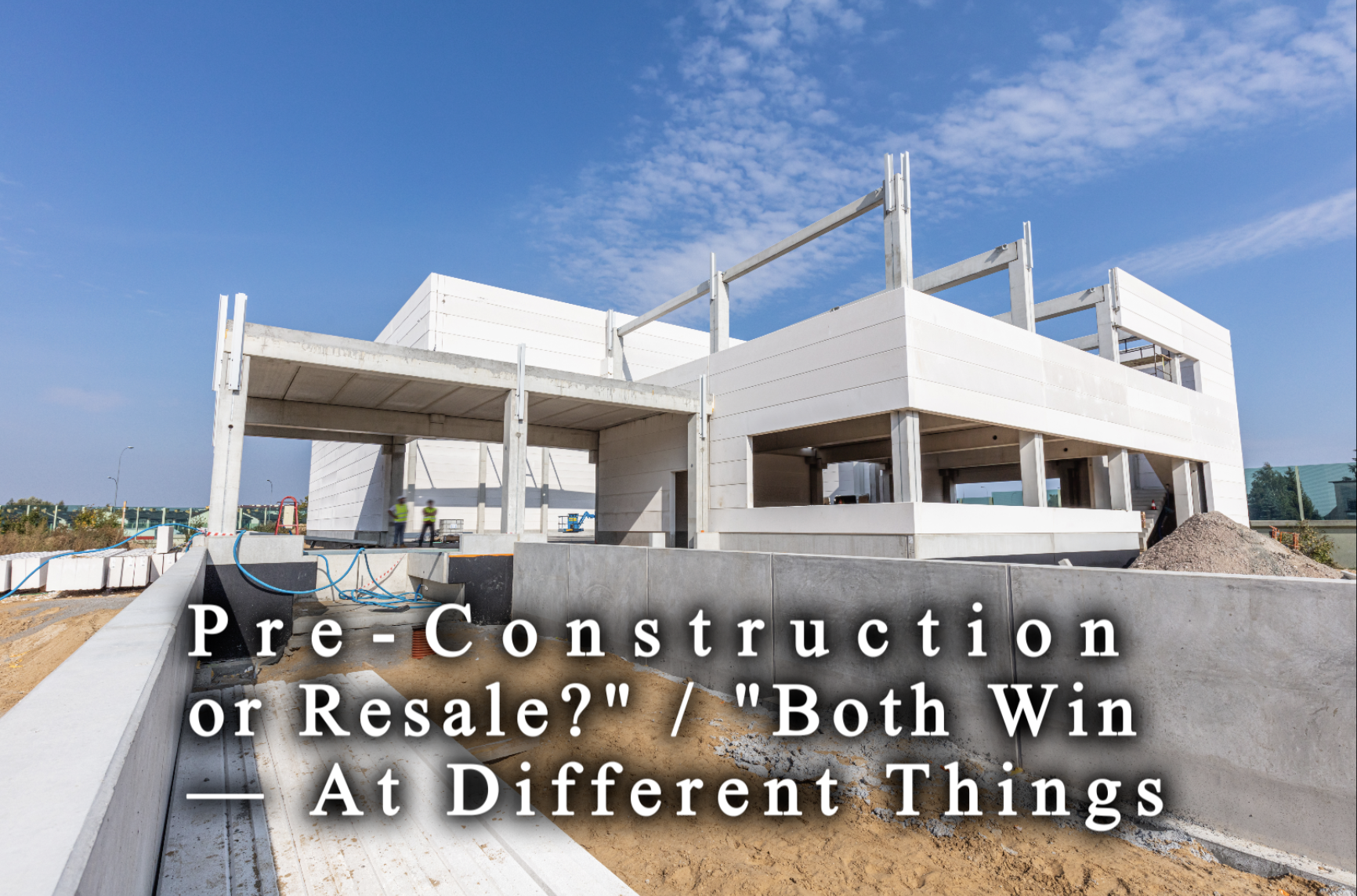
Pre-Construction vs Resale in the Dominican Republic: Which Risk Can You Manage?
Buyers frame this as new versus old and compare price per square metre. The more useful frame: resale risk is condition, which you can inspect — pre-construction risk is delivery, which only developer diligence reveals. Here's which currently wins, and the tax benefit that only new construction carries.
Quick Answers
Is pre-construction or resale the better buy on the North Coast right now?
Resale frequently wins in the current market. Rising material costs have pushed new-build pricing up, while established communities' steepest appreciation period has already passed — which regularly makes well-maintained resale properties better value than comparable new construction.
That is a market-conditions answer rather than a permanent rule, and pre-construction still wins on specific grounds covered below.
What does pre-construction actually offer that resale can't?
Lower entry pricing within a project, payment staged across the build rather than due at once, CONFOTUR tax exemptions that generally don't transfer to resales, modern layouts and efficiency standards, and developer financing that is often unavailable on resale.
The CONFOTUR point is the most financially significant and the least understood — it can waive the 3% transfer tax and exempt annual property tax for up to 15 years.
What's the real risk in buying pre-construction?
Execution risk. You are underwriting the developer's ability to deliver, not just a property — which means verifying the developer's corporate structure, permits, land position, contract language, delivery terms, and what protections exist for you if timelines slip.
A resale property's biggest risk is condition, which an inspection reveals. A pre-construction property's biggest risk is delivery, which only diligence on the developer reveals.
How do I verify a developer before committing?
Check their completed projects and physically visit them, verify the corporate entity and its permits, confirm the land position and that the deslinde is in order, read the contract's delivery and penalty clauses carefully, and speak to buyers from their previous phases.
On this coast, developers with long multi-phase track records — communities that have been building continuously for a decade or more — carry meaningfully less execution risk than first-time projects.
Does CONFOTUR really apply, and how do I confirm it?
It frequently applies to new construction in approved tourism-incentive projects and can waive the 3% transfer tax plus exempt IPI for up to 15 years — but approval attaches to specific project phases rather than whole developments.
Have an independent attorney confirm the specific unit's status in writing, including how many exemption years remain, since the clock runs from project approval rather than your purchase date.
What should I know about buying into a phased community?
Phases built years apart can differ meaningfully in construction standards, finish level, and which HOA inclusions apply — despite carrying the same community name.
Newer phases may carry CONFOTUR benefits that earlier phases' resales don't. Always establish which phase a specific unit belongs to; it affects price, tax treatment and resale value.
How are pre-construction payments structured?
Typically staged across the build against milestones rather than paid at once, which is a genuine cash-flow advantage — and also the mechanism through which your money becomes exposed before you own anything.
Contract language on what happens to staged payments if delivery is delayed or the project stalls is the most important clause in the document. Have it read by your own attorney, not the developer's.
Is a resale property likely to need work?
Often some, and that is priced in rather than hidden. Salt air and tropical climate are unforgiving, so the real questions are whether a property was built with corrosion-resistant materials and proper waterproofing, and whether it has been maintained.
A well-built, well-maintained ten-year-old property on this coast frequently outperforms a cheaply built new one — construction quality matters more than age here.
Which holds value better on resale?
Established communities with consistent transaction histories, in both categories. Liquidity concentrates in recognised names and town-adjacent locations rather than in whether a property was new when you bought it.
A pre-construction unit in an unproven project can be difficult to exit; a resale in a well-known community trades readily.
What's the honest recommendation for a first-time buyer here?
Resale in an established community, for most first-time buyers. You can inspect exactly what you're buying, speak to existing owners, see real HOA history, and exit more easily if your plans change.
Pre-construction rewards buyers who have done developer diligence properly, want CONFOTUR benefits, and can absorb a delivery delay without it becoming a problem.
The comparison is about risk type, not price
Buyers frame this as new versus old and then compare price per square metre. The more useful frame is that the two options carry entirely different risks, and the right choice depends on which risk you are better equipped to manage.
A resale property's principal risk is condition — and condition is knowable. You can inspect it, commission a professional survey, talk to neighbours, and see the HOA's actual history. A pre-construction property's principal risk is delivery — whether the developer builds what was promised, to the standard promised, on the timeline promised. That risk is not knowable by inspection, only by diligence on the developer.
What the current market favours
On the North Coast right now, resale frequently wins on value. Two forces drive it. Material costs have risen, pushing new-build pricing up — a quality villa build commonly runs US$1,600–$2,800+ per square metre of finished area before land, landscaping, furniture or taxes, with architectural and engineering plans adding 5–12% on top. Meanwhile, established communities' steepest appreciation period has already occurred, with steady rather than explosive growth expected ahead.
The result is that a well-maintained resale in a known community frequently beats a comparable new build on total value. That is a market-conditions observation rather than a permanent rule, and it does not settle the question, because pre-construction still wins on grounds price alone doesn't capture.
What pre-construction genuinely offers
| Factor | Pre-construction | Resale |
|---|---|---|
| Entry price within a project | Lower, earliest phases lowest | Market price |
| Payment | Staged across build milestones | Due at closing |
| CONFOTUR benefits | Often available on approved phases | Generally does not transfer |
| Developer financing | Frequently available | Seller financing negotiated case by case |
| What you can verify | Plans, contract, developer record | The actual property, by inspection |
| Principal risk | Delivery and execution | Condition and maintenance history |
| Timeline to occupancy | Months to years | 30–60 days for a clean transaction |
The CONFOTUR line carries more financial weight than the rest combined and is the least understood. Units in approved tourism-incentive project phases can be exempt from the 3% transfer tax and from annual property tax for up to 15 years. It generally does not transfer on resale of previously titled units — which means the tax benefit is genuinely a new-construction advantage, not a marketing line.
The nuances that determine whether it applies to you: approval attaches to specific project phases rather than whole developments, and the exemption clock runs from project approval or completion rather than your purchase date. A unit bought several years into an approved phase carries fewer remaining exemption years. Get the status and remaining term confirmed in writing by an independent attorney before you value it into your budget.
Doing developer diligence properly
If you buy pre-construction, this is the work that protects you, and it looks nothing like inspecting a house:
- Visit their completed projects physically. Not the show unit — the phases delivered three and five years ago, and look at how they have aged.
- Verify the corporate entity and permits. Who exactly are you contracting with, and does that entity hold the permits and the land?
- Confirm the land position and deslinde. The judge-approved survey establishing boundaries must be in order on the parcel being developed.
- Read the delivery and penalty clauses. What happens to your staged payments if delivery slips by a year? By three? If the project stalls entirely? This is the most important clause in the document and the one most buyers skim.
- Speak to buyers from previous phases. Ask whether delivery matched the promise, and what the handover process was actually like.
On this coast, developers with long multi-phase records — communities building continuously for a decade or more, adding named phases over time — carry meaningfully less execution risk than first-time projects. That track record is worth paying for.
Phases within a community are not interchangeable
A point that catches buyers in both categories. In long-running communities, phases built years apart can differ in construction standards, finish level, and even which HOA inclusions apply — despite sharing a community name and a reputation. A villa from an early phase and a condo from a current phase are different products.
Always establish which phase a specific unit belongs to. It affects price, tax treatment, construction quality and resale value, and it is the question that turns a community's general reputation into information about the actual thing you're buying.
Age matters less than build quality here
Buyers instinctively equate new with better. On a salt-air coast that instinct misleads. What determines whether a property is excellent in year fifteen is whether it was built with corrosion-resistant materials, hurricane-rated construction, proper waterproofing and good windows — specifications that add real cost and are what separate a $1,100 per square metre build from a $2,800 one.
A well-built, well-maintained ten-year-old villa on this coast routinely outperforms a cheaply built new one. Ask what a property was built to, not just when.
The honest first-buyer recommendation
For most first-time buyers on this coast: resale, in an established community. You can inspect precisely what you're buying, speak to owners already living there, see the HOA's real fee history rather than a projection, and exit more readily if your plans change. Liquidity concentrates in recognised names and town-adjacent locations regardless of whether a property was new when you bought it.
Pre-construction rewards a different buyer: one who has done developer diligence thoroughly, wants the CONFOTUR benefits, values a specific layout or position enough to wait, and can absorb a delivery delay without it becoming a financial problem.
Questions for a pre-construction purchase specifically:
- "Which legal entity am I contracting with, and does it hold the permits and land?"
- "May I visit phases this developer delivered three and five years ago?"
- "What exactly happens to my staged payments if delivery is delayed or the project stalls?"
- "Does this phase carry CONFOTUR, and how many exemption years remain?"
- "What construction specification is this being built to — materials, windows, waterproofing?"
- "May I speak with two buyers from the previous phase?"
Sources and further reading:
Build cost data by quality tier: Cost of Construction in the Dominican Republic, 2026 analysis (figures sourced to a licensed Dominican construction firm). Pre-construction execution risk factors, developer verification and CONFOTUR mechanics cross-checked against Dominican legal and conveyancing guidance including Pellerano & Herrera on real estate due diligence. Phase-level community differences reflect conditions verified across North Coast communities during research.
More from Blue Sail Realty: Sea Horse Ranch Guide · Casa Linda Guide · The Honest Guide to Buying Real Estate in the DR · The DR Safe-Buying Code · The Blue Sail Remote Closing Path · After-Purchase Support
About the author: James Oosterman, CIPS (Certified International Property Specialist), is Broker/CEO of Blue Sail Realty, headquartered in Cabarete on the Dominican Republic's North Coast. Read real client stories.
Change Currency
USD- USD
- EUR
- CAD
Change Measurement
square meters - m2- square feet - ft2
- square meters - m2
- acres - ac
- square yards - yd2
- hectares - ha
Our Listings
- Affordable Property(46)
- Condos(167)
- Land(10)
- Commercial(11)
- Luxury Property(131)
- Residential(90)
- Villas(147)
Featured Properties
 Luxury 3-Bedroom Oceanview Villa fo... $ 375,000
Seller Financing Available: Furnish... $ 349,000
Oceanside Luxury Villa, Cabarete — ... $ 385,000
Luxury 3-Bedroom Oceanview Villa fo... $ 375,000
Seller Financing Available: Furnish... $ 349,000
Oceanside Luxury Villa, Cabarete — ... $ 385,000-
Mortgage Calculator
-
Login
Register
A password will be e-mailed to you
Reset Password
Social Links: