The legal framework for buying here is robust. Where transactions actually stall is the plumbing — wire compliance checks that add two to five days, account requirements, currency mismatches. Here's how the money really moves, and the one question that matters more than all of it.
Quick Answers
Do I need a Dominican bank account to buy property?
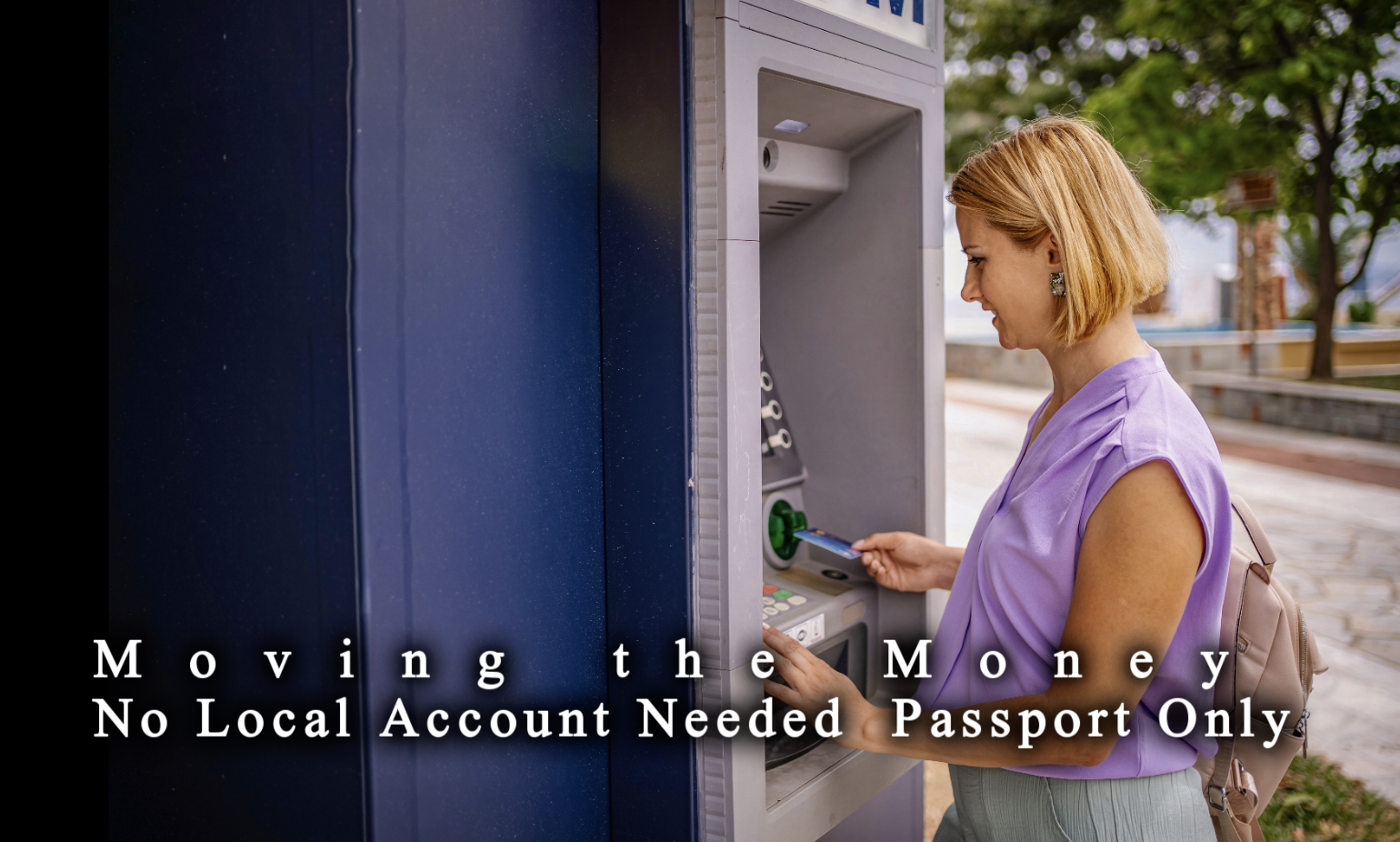
No. Purchases are commonly completed via international wire, frequently routed through your attorney's escrow or client account, and only a passport is required to complete the purchase itself.
An account becomes genuinely useful afterward — for HOA fees, utilities, taxes and rental income — rather than being a prerequisite to buying.
How long do international wires actually take?
Allow more time than your bank quotes. Sending-bank compliance checks routinely delay large international transfers by two to five business days, which is enough to miss a closing date if nobody planned for it.
Notify your bank in advance that a large property transfer is coming and confirm the receiving account is configured for incoming USD wires before you initiate.
Whose account should my money go into?
Your attorney's — and the critical qualifier is that the attorney must be independently chosen by you, not recommended by the seller or the listing agency.
This is the single most important structural protection in a Dominican purchase, and it is why independent legal representation is non-negotiable rather than a formality.
How are deposits staged?
Typically around 10% of purchase price in total: 5–10% at the Promise of Sale, topped up to 10% while title verification proceeds, with the balance paid at deed signing.
An initial good-faith deposit of roughly US$500–$1,000 often precedes this, and is returned if the offer is rejected.
Can foreigners open a Dominican bank account?
Yes, though requirements are more demanding than in many countries — expect to provide a passport, proof of address, bank references from your home country, and evidence of income source, with documents often requiring translation.
Residency makes the process considerably simpler, which is one practical reason buyers pursuing Pensionado or Rentista status often sequence residency before banking.
Should I hold dollars or pesos?
Most foreign owners run both: dollars for property transactions, insurance and major expenses, pesos for daily local spending. Insurance policies in particular can be written in either currency, and claims pay in the policy's currency.
For anyone funding repairs or costs from abroad, holding the relevant obligations in dollars removes exchange-rate risk at the moments it matters most.
Can I get a mortgage from a Dominican bank as a foreigner?
Rarely. Dominican banks seldom finance foreign buyers, which is why most purchases here are cash — and why seller and developer financing carry more weight in this market than in most.
Documented current terms on this coast include 50% seller financing over 5 years at 6%, and developer financing around 5% fixed with terms up to 30 years in certain communities.
How do I get rental income out of the country?
Through normal international transfer — there are no restrictions on repatriating rental income or sale proceeds for foreign owners.
The compliance requirement is documentation: keep clean records showing the source of funds, because receiving banks in your home country will ask, and a well-documented trail prevents holds.
What tax applies to rental income before it reaches me?
18% ITBIS on short-term rental income, with income tax withheld at 10% for resident owners and 27% as a final withholding for non-residents. An RNC is mandatory before you can legally register rental activity.
These are withheld or remitted locally, so plan your net-income expectations around post-withholding figures rather than gross bookings.
What's the most common money mistake buyers make?
Underestimating the timeline. Compliance delays on wires, apostille processing on documents, and registration at the Registry each take longer than expected, and they are sequential rather than parallel.
The second most common is paying a deposit before an independently chosen attorney has reviewed anything — which is the mistake that actually costs money rather than time.
Moving money is where remote purchases actually stall
The legal framework for buying Dominican property is robust and well documented. Where transactions genuinely slip is in the plumbing — international wires, compliance checks, account requirements — and those delays are almost entirely avoidable with a week of advance planning.
You don't need a Dominican account to buy
A common misconception delays purchases unnecessarily. You do not need a Dominican bank account to complete a property purchase. Transactions are routinely funded by international wire, commonly routed through your attorney's escrow or client account, and the only personal document required to complete a purchase is a passport.
An account becomes useful afterward, for HOA fees, utilities, property tax and receiving rental income — and it is worth opening in due course. But it is not a prerequisite, and buyers who treat it as one lose weeks.
The two-to-five day problem
Here is the delay that costs people closing dates. Sending-bank compliance checks on large international transfers routinely add two to five business days beyond the quoted transfer time — sometimes more if a compliance officer wants documentation and reaches you on a Friday.
Two preventive steps handle it entirely. Notify your bank in advance that a large international property transfer is coming, with the destination and approximate amount, so it doesn't surface as an anomaly. And confirm the receiving account is properly configured for incoming USD wires before you initiate anything, rather than discovering a formatting problem after the money has left.
Whose account, and why it matters more than anything else here
Funds in a Dominican purchase typically route through your attorney's account. That is normal practice and entirely appropriate — with one qualifier that carries more weight than any other sentence in this article: the attorney must be independently chosen by you, not proposed by the seller or the listing agency.
An attorney representing the seller is not representing you, and money in their account is not held on your behalf in the way you assume. Retain independent counsel before signing anything or paying any deposit. Every other protection in the Dominican system depends on this one being in place first.
How the payments are staged
| Stage | Typical amount | Notes |
|---|
| Good-faith deposit | ~US$500–$1,000 | Returned if the offer is rejected |
| At Promise of Sale | 5–10% of price | Signed before a notary; binding on both parties |
| During title verification | Topped up to ~10% | Due diligence period, typically 7–21 days |
| At deed signing | Balance | Followed by tax payment and Registry filing |
Opening an account once you're ready
Foreigners can open Dominican bank accounts, though requirements are more demanding than in many countries. Expect to provide a passport, proof of address, bank references from your home country, and evidence of your source of income — with documents frequently requiring translation.
Residency simplifies this substantially, which is a practical reason buyers pursuing Pensionado or Rentista status often sequence residency ahead of banking rather than fighting the account process as a non-resident. If you're going to apply for residency anyway, doing it first removes friction later.
Two currencies, deliberately
Most established foreign owners run both currencies rather than choosing. Dollars handle property transactions, insurance and major expenses; pesos handle daily local spending. This isn't complexity for its own sake — it's exchange-rate management at the points where it matters.
Insurance illustrates it well: Dominican policies can be written in dollars or pesos, and claims pay out in the policy's currency. An owner funding repairs with dollars from abroad who holds a peso policy absorbs currency risk at precisely the worst moment. Match the currency of an obligation to the currency you'll settle it in.
Financing, and getting money back out
Dominican banks rarely finance foreign buyers, making most purchases cash — which is why seller and developer financing matter far more in this market than in most. Terms are negotiated property by property rather than published: documented current examples on this coast include 50% seller financing over five years at 6%, and developer financing around 5% fixed with terms up to 30 years in certain communities. Ask on every property.
Getting money out is straightforward: there are no restrictions on repatriating rental income or sale proceeds for foreign owners. The requirement is documentation. Keep clean records establishing the source of funds, because your home-country receiving bank will ask, and a well-documented trail is the difference between a routine transfer and a hold.
On rental income specifically, plan around post-withholding figures: 18% ITBIS applies to short-term rental income, with income tax withheld at 10% for residents and 27% as a final withholding for non-residents, and an RNC is mandatory before rental activity can be legally registered.
Before you move any money:
- "Is the attorney receiving these funds independently mine, or was he recommended by the seller?"
- "Has my bank been notified that a large international transfer is coming?"
- "Is the receiving account confirmed set up for incoming USD wires?"
- "What exactly triggers each staged payment, and what happens if title verification finds a problem?"
- "Am I holding my Dominican obligations in the currency I'll actually settle them in?"
About the author: James Oosterman, CIPS (Certified International Property Specialist), is Broker/CEO of
Blue Sail Realty, headquartered in Cabarete on the Dominican Republic's North Coast.
Read real client stories.