
Your search results

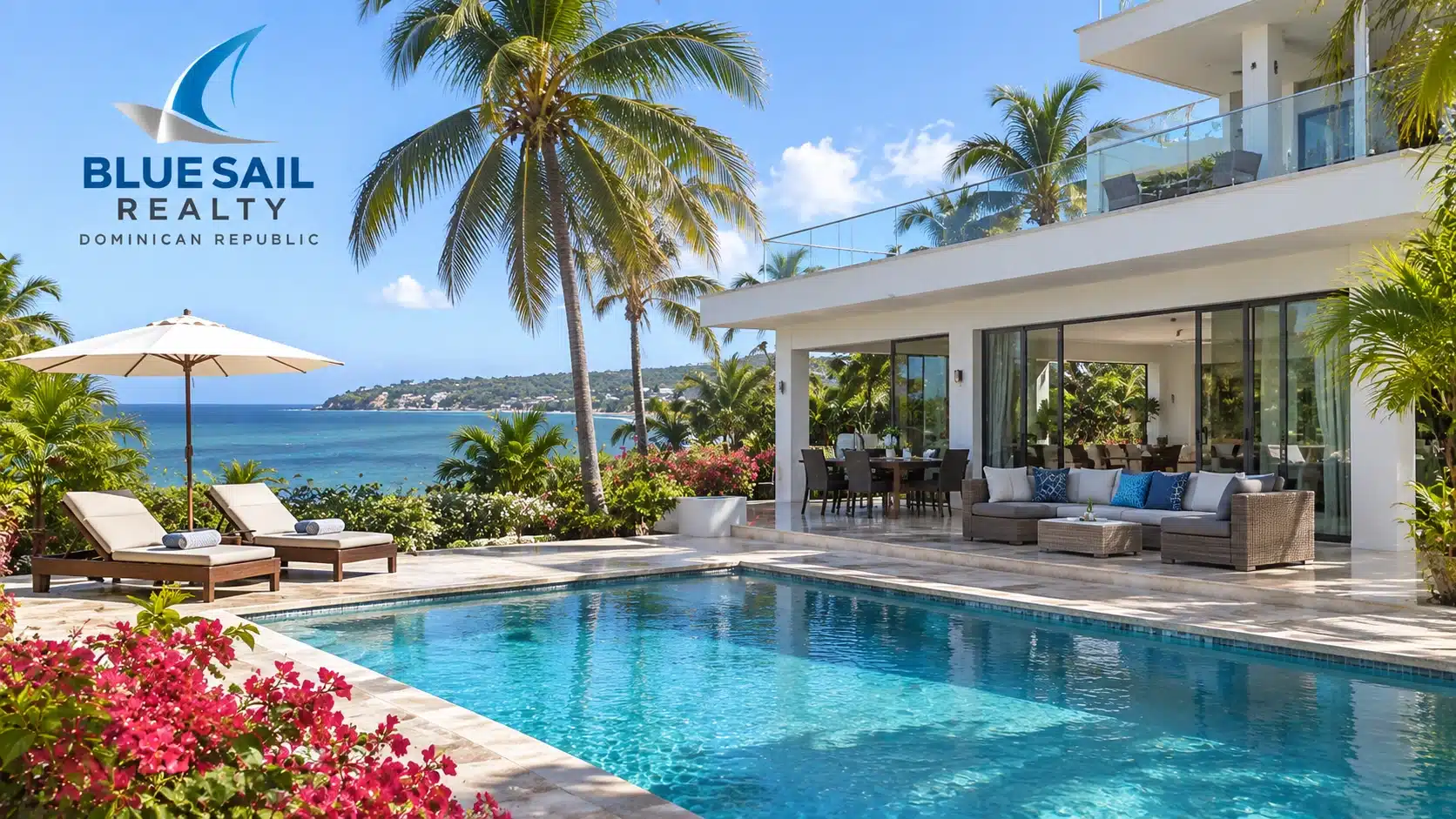
Houses in the Dominican Republic for Sale: 7 Luxury Home Features to Look For
Searching for houses in the Dominican Republic for sale looks easy at first. Then the questions start. Which home is truly high quality? Which photos tell the whole story? Many buyers pick with their eyes and regret it later. This guide helps you choose with facts. You will learn seven features that separate great homes from average ones. They cover views, pools, power, water, security, construction, and legal paperwork. Each feature includes a simple tip for your next visit. Treat the list like a checklist. You will compare homes faster, spot problems early, and buy with more confidence. Let’s start.
Luxury Homes for Sale in the Dominican Republic: What Sets Them Apart
Luxury has no official definition here. Sellers use the word for almost anything with a pool. That is why you need your own standard.
A true luxury home does four things well. It sits in a strong location. It uses quality materials and sound construction. It runs on reliable power, water, and internet. And it comes with a clean legal title.
Looks are only on the surface. Marble floors mean little if the roof leaks. An ocean view means little if the title has gaps. The best homes pass both tests. They look great and work well.
Price alone does not give you the answer either. Some costly homes miss basic systems. Some modest homes are built very well. So, ignore the label and judge each home by its features.
The seven features below give you a simple way to do that. Rank them by what matters most to you. Some buyers care most about the views. Others want security because they travel often. But no home should ever fail on title or safety.
7 Luxury Home Features to Look For
1. Real Views and Smart Orientation
A view is the first thing buyers notice. It is also the first thing they overvalue. Check it carefully before you fall for it.
Start with what could block the view later. Trees grow. Neighbors build. A clear ocean view can vanish in two years if the lot in front is open and zoned for building. Ask your agent what the rules allow for nearby lots. Ask the seller if any plans exist.
Next, look at orientation. This is the direction the home faces. A west-facing terrace gets strong afternoon sun and heat. It also gives you sunsets. An east-facing terrace stays cooler in the afternoon and gets soft morning light. Neither is better. Each suits a different lifestyle.
The wind matters, too. On the north coast, steady breezes can cool a home naturally. A good layout lets air pass through the rooms. Walk through and notice if the rooms feel fresh or stuffy.
Here is a simple test. Visit home twice, once in the morning, and once in the late afternoon. Stand on the terrace both times. Notice the light, the heat, and the noise. A home that feels good at both times is a safe bet.
Finally, think about the view from inside. Large windows are great, but only if they face something worth seeing. Ask yourself if you could enjoy the view from the kitchen, the bedroom, and the living area.
2. A Private Pool and Usable Outdoor Space
Almost every high-end home has a pool. So, the pool alone does not set a home apart. Its quality and its surroundings are important.
Start with the basics. Look at the tile and the water line. Cracks, stains, and loose tiles can point to deeper problems. Ask who built the pool and when. Ask when it was last serviced.
Then find the pump room. This is where the filters and pumps live. A clean, tidy pump room shows careful upkeep. A messy one with leaks and rust tells you something too. Ask about the maintenance routine and who handles it.
Now look beyond the water. Outdoor space is where owners spend most of their time. A strong terrace has shade, a covered dining area, and room to move. It has a spot for lounge chairs that are not in full sun. Some homes add an outdoor kitchen or a shower near the pool. These small details add daily comfort.
Check safety features as well. Is there a gate if children to visit? Are the steps non-slip? Is there good lighting for the evening?
Ask about the pool system too. Salt systems feel gentler on skin, but they need regular care. Chlorine systems are simpler but harsher. Neither choice is wrong. You just want to know what you are buying.
Finally, picture a normal day. Could you eat breakfast outside? Could you host six friends for dinner? If the answer is yes, space works.
3. Backup Power and Water Systems
Power cuts and low water pressure can happen in many tropical places. Strong homes plan for them. Weak ones do not.
Begin with power. Look for a backup generator or an inverter system with batteries. Ask how fast it switches on during an outage. Ask what it powers. Some systems run only a few lights. Others run the whole home, including air conditioning. Know the difference.
Next, check the water. Most quality homes have a cistern, which is a large tank that stores water. A pressure pump then sends that water through the house. Ask how many days of water the tank holds. Ask where the water comes from and whether it is filtered. Good homes often have a second source or a refill plan.
Look at the equipment itself. Is it new or old? Is it in a clean, covered space? Are there service records? Equipment that is well kept tends to last longer.
Solar panels and solar water heaters can help too. They reduce reliance on the grid and can lower running costs over time. If the home has them, ask who installed them and when.
A good question for the owner is simple. “How did the home handle the last long outage?” A confident owner will give you a clear story. A vague answer may mean the systems were never tested.
Last, check the electrical panel. Look for clear labels and tidy wiring. A messy panel is a warning sign.
4. Security and Gated Living
Safety shapes how you enjoy a home. This is true whether you live here full time or visit twice a year.
Many luxury homes for sale in the Dominican Republic sit inside gated communities. These communities offer controlled entry, guards, and cameras. Some also include shared pools, gyms, or beach clubs. For owners who travel, this can bring real peace of mind.
But gated does not always mean secure. Ask who runs the security. Ask how visitors are screened and how many guards work at night. Find out what happens when a guest arrives unannounced.
Next, review the community fees. Learn exactly what they cover. Some fees include security, road upkeep, landscaping, and water. Others cover less. Ask for the last two years of fee records. Ask if any big repairs are planned.
Then read the rules. Some communities limit short-term rentals. Others restrict pets, paint colors, or renovations. Reading the rules early prevents bad surprises later.
Standalone homes need security too. Look for strong fencing, good lighting, and secure doors and windows. Many owners add cameras and alarm systems. Some also hire a caretaker, who keeps an eye on the home when you are away.
A caretaker deserves a closer look. Ask how long they have worked there. Ask which tasks they handle. A trusted caretaker can protect your home, water the garden, and check the pool.
Lastly, walk around the neighborhood. Visit at night if you can. Notice the lighting, the traffic, and the general feel. Your own comfort is the best guide.
5. Build Quality That Handles the Climate
The Caribbean climate is tough on buildings. Salt air, humidity, strong sun, and tropical storms test every part of a home. Good construction makes the difference.
Start with the structure. Reinforced concrete is common and strong. Ask about the building methods used. Ask who built the home and whether the builder has other projects you can visit. A proud builder will happily share plans and permits.
Next, look at the roof. It takes the most abuse. Check ceilings for stains, which can signal leaks. Ask when the roof was last inspected.
Windows and doors matter as well. Impact-rated windows can help in storms. Check seals and frames for rust. Salt air eats cheap metal quickly, so look for stainless steel or coated fittings.
Walk the home slowly and use your eyes and nose. Look at corners, baseboards, and bathrooms. Damp spots, peeling paint, and musty smells can point to moisture problems. Open closets and cabinets too.
Ask about drainage. During heavy rain, water should move away from home, not toward it. Check the slope of the lot and the condition of gutters or channels.
Finally, hire an independent inspector. An inspector who knows local conditions can spot issues you might miss. Their report also gives you a stronger position when you talk with the seller.
Quality shows in small details. Straight lines, tight joints, and clean finishes suggest careful work. Rushed work shows up in uneven tiles and gaps.
6. Fast Internet and a Work-Ready Space
More owners now work from their second homes. Some even move full time. So, internet quality is no longer a bonus. It is a key feature.
First, ask what internet service reaches the street. Fiber is the fastest option in many areas. Others use fixed wireless or satellite. Ask which providers serve the home and which one the owner uses.
Then test it yourself. Bring a laptop or phone and run a speed test in several rooms. Check the upload speed too, since video calls need it. Test the cell signal as well. Signals can vary from one lot to another, even in the same area.
Look at the layout for a work-ready space. Is there a quiet room with a good light and a door? Is there a power outlet near the desk? A small office can matter more than a fourth bedroom.
Ask about backup internet. A second line or a mobile hotspot helps if the main service drops. Pair it with backup power, and you can keep working during an outage.
Check the wiring as well. Newer homes often have network cables run to each bedroom. Older homes may rely on weak wireless signals.
Finally, ask to see recent utility bills. They show real running costs for power, water, and the internet. Bills tell the truth better than any brochure.
7. Clean Title and Clear Paperwork
This feature is the least visible. It is also the most important thing. A beautiful home with weak paperwork is a real risk.
Start with the title. The title is legal proof of ownership. Confirm that the name on it matches the seller. Ask if the property has any liens, debts, or disputes. Your attorney can check this with the proper land registry.
Next, ask for the boundary survey. This document marks the exact limits of the land. Boundaries that were never surveyed can lead to disputes with neighbors. Ask if the survey is recent.
Then request tax records. Confirm that property taxes are paid up. Ask for proof of other recurring charges, such as community fees.
Check the building permits as well. Make sure the home matches are approved. Extra rooms or additions without permits can cause trouble later.
Hire an independent Dominican attorney who works for you, not the seller. This is one of the smartest steps you can take. Your attorney reviews documents, explains the process, and protects your interests. Never rely on a lawyer chosen only by the seller.
Foreign buyers can own property in the Dominican Republic, so this process is open to you. You do not need to be a resident to buy. Still, every step should be documented. Keep copies of everything.
Finally, never send money before you verify the documents. Rushing is the enemy here. A good seller will not mind the careful process.
This guide shares general information and is not legal advice. Speak with a qualified attorney about your own purchase.
Which Areas Should You Compare?
The area changes everything. The same home feels very different in two towns. So, compare areas before you compare homes.
Cabarete suits active buyers. It is known for kitesurfing and windsurfing, and it has a lively beach scene with plenty of restaurants.
Sosúa blends beach life with daily services. It has a long-standing international community, shops, and a wide range of dining.
Las Terrenas sits on the Samaná peninsula. It has a relaxed feeling and a strong European influence. Buyers who like a quiet, beachy lifestyle often look here.
Cabrera offers a calmer coastal pace. It suits buyers who want space and quiet over nightlife.
Puerto Plata and Río San Juan add more choices. Puerto Plata is a larger city with an airport nearby. Río San Juan is smaller and more remote.
Visit at least two areas before you decide. Eat local places, drive down the roads, and talk with residents. Ask how far the nearest hospital, grocery store, and airport are. Distance to daily needs shapes your life more than any feature on this list.
Your Site Visit Checklist
Print this list and take it with you.
- Visit twice, once in the morning and once in late afternoon
- Check what could be built in front of the view
- Inspect the pool, the tile, and the pump room
- Confirm the generator or inverter, cistern, and pressure pump
- Review the security setup and community rules
- Look for damp spots, rust, and roof stains
- Test internet and cell signal in several rooms
- Ask for the title, survey, tax records, and permits
Red Flags to Walk Away From
Some warning signs should slow you down right away.
- The seller will not share the title or boundary survey
- The name on the title does not match the seller
- You face pressure to pay a deposit before documents are checked
- Fresh paint covers damp patches
- Community records are missing or fees are unclear
- Additions have no permits
- The seller refuses an independent inspection
Common Mistakes Buyers Make
Even careful buyers slip. Here are the mistakes that show up most.
The first is falling for photos. Wide-angle lenses make rooms look larger and brighter. Always see the home in person or ask for a live video walk-through.
The second is skipping a second visit. A home can feel very different in the rain or at night. Return at another time before you decide.
The third is ignoring running costs. Pool care, security, caretaker fees, and community fees all add up. Ask for the real numbers from the owner.
The fourth is using the seller’s attorney. You need someone whose only job is to protect you.
The fifth is rushing. Pressure and short deadlines often hide problems. Good homes can survive a careful process. If a seller pushes too hard, step back and ask why.
Frequently Asked Questions
Can foreigners buy a home in the Dominican Republic?
Yes. Foreign buyers can own property with the same rights as citizens. You do not need to be a resident. Use an independent attorney to check the title and paperwork before you pay anything.
What makes a home count luxury?
A mix of location, build quality, reliable systems, security, and clean title. Fancy finishes help, but they matter less than these basics.
Which areas are popular with buyers?
Cabarete, Sosúa, Las Terrenas, and Cabrera draw many buyers. Each has a different feel, from active beach towns to quiet coastal villages. Visit more than one before you choose.
What documents should I ask for before buying them?
Ask for the title, a boundary survey, tax payment records, and building permits. If the home sits in a community, also request the rules and fee records.
Can I buy a home from overseas?
Many international buyers do it. Video tours, trusted agents, and independent attorneys make it workable. Always verify documents before you send any money.
How do I check a home’s build quality?
Hire an independent inspector who knows local conditions. Check the roof, walls, windows, and drainage. Look for damp spots, rust, and cracks.
Final Thoughts
Great homes share seven traits. They have real views, a usable pool area, steady power and water, good security, strong construction, fast internet, and clean title. Use this list for every visit. It keeps emotion in check and facts in front. Searching for houses in the Dominican Republic for sale is easier when you know what to ask. Blue Sail Realty, based in Cabarete, helps buyers compare homes and follow the DR Safe-Buying Code. International buyers can use the Remote Closing Path from start to finish. Ready to begin? Visit bluesailrealty.com or message our team. We will help you today.
Related Posts

How to Compare Beachfront Condo Developments...
Updated 9 November 2026 Two beachfront condos at the same price can be very different purchases. Here’s the f ...
Continue reading

How to Choose the Best Location for Houses i...
The ideal spot depends on you. Think about your lifestyle, future, budget, and the kind of surroundings you want. A ...
Continue reading
Featured Properties