Quick answers
- Are home inspections standard in the DR? No — they haven’t been for at least the past 20 years, unlike the US or Canada. Blue Sail Realty has been pushing to change that.
- What’s different about a DR inspection? Concrete block construction, cistern water systems, septic fields, and salt-air corrosion matter more here than HVAC and insulation.
- How do you check a cistern? Look inside for cracks and algae growth, confirm the pump and float switch work, and check its distance from the septic tank.
- What about the septic system? Confirm proper tank and drain field construction, check for pooling or odor, and verify distance from the cistern and any well.
- How do you spot foundation problems? Diagonal cracks from corners, sticking doors/windows, sloping floor tile, and gaps where walls meet floors or ceilings.
- Which wall/ceiling cracks matter? Cracks wider than about 3mm, diagonal cracks from corners, or cracks that keep reappearing after patching — hairline surface cracks are usually normal.
- What roof issues matter most? Individually cracked or broken tiles and gutters/downspouts that don’t direct water away from the foundation.
- How do you spot a window leak? Paint bubbling or peeling directly under the window is the clearest tell.
- What else is DR-specific? Rebar corrosion and spalling concrete near the coast, termite damage, backup power, and GFCI protection in wet areas.
- Does Blue Sail Realty do inspections? Yes — inspection guidance is built into how the team supports buyers across its confirmed markets.
Ask most buyers coming from the US or Canada when their home inspection is scheduled, and it’s a given – inspections there are close to automatic before closing. Ask that same question in the Dominican Republic, and the honest answer is: for most of the market, over the past two decades, there hasn’t been one at all. That gap is exactly what Blue Sail Realty set out to close, building a structured, Dominican-specific inspection approach into how the team works with buyers, rather than treating it as an optional add-on nobody asks for.
Why Aren’t Home Inspections Standard in the Dominican Republic?
Real estate transactions here have historically moved on trust, relationships, and a notary’s title review – not an independent physical inspection of the property itself. Part of this comes from the same root cause behind other buyer-protection gaps in the Dominican market: real estate agents themselves aren’t licensed or regulated by any government body, so there’s never been a structural push requiring inspections the way mortgage lenders effectively mandate them in the US. For at least the past 20 years, a buyer here could – and often did – complete a purchase having never had anyone independently check the roof, plumbing, cistern, or foundation. Blue Sail Realty has been one of the agencies actively working to change that expectation, treating a structured inspection as a normal part of the buying process rather than something only cautious buyers think to request.
What Actually Makes a Dominican Republic Inspection Different?
A checklist built for a wood-framed house in Ohio doesn’t translate cleanly to a cement-block villa in Cabarete. Three structural realities shape what actually matters here:
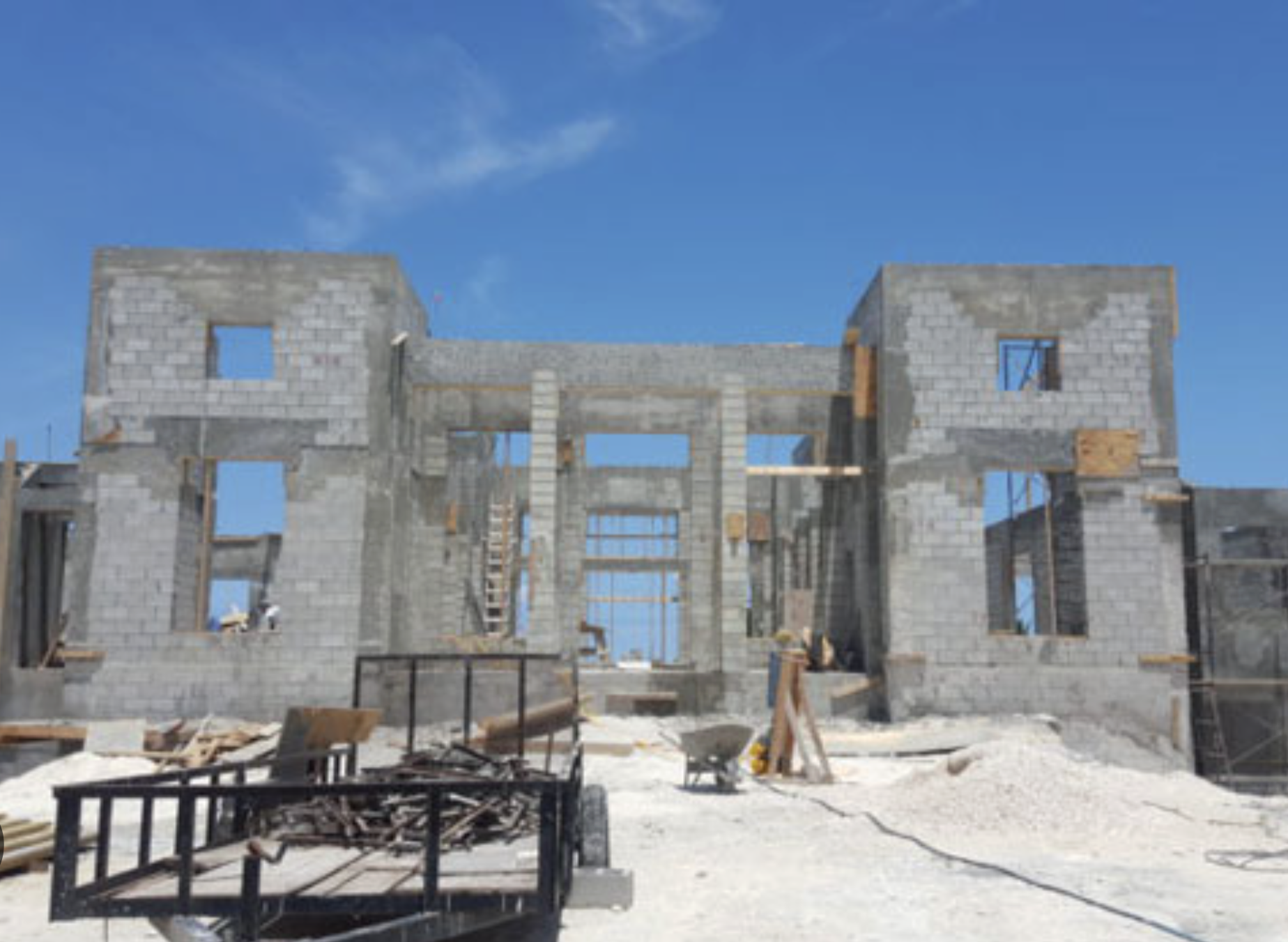
- Construction material: the overwhelming majority of Dominican homes are built from cement block (bloques) and poured concrete, not wood framing – which changes what “normal wear” versus “structural concern” looks like.
- Water supply: public water pressure is inconsistent in much of the country, so homes rely on a combination of an underground cistern (cisterna) and a rooftop tank (tinaco), rather than direct, always-on municipal pressure.
- Wastewater: outside central Santo Domingo, most properties run on a septic tank and drain field rather than a citywide sewer connection.
That means a genuinely useful Dominican inspection spends far more time on structural cracking, water systems, and drainage than a standard US report – which tends to spend most of its attention on HVAC, insulation, and electrical code details that matter less in a concrete, cistern-fed, septic-served home.
How Do You Actually Inspect a Cistern?
The cistern is one of the most overlooked components in a Dominican property purchase, and one of the most expensive to fix if it’s compromised. A proper check includes:
- Interior walls and floor: open the access hatch and check for visible cracks, which can allow groundwater, soil, or contaminants to seep into the water supply.
- Algae or slime buildup: a sign the tank isn’t sealed properly or hasn’t been cleaned regularly – a real health consideration, not just cosmetic.
- Pump and float switch function: confirm the pump activates and shuts off correctly, and that the rooftop tank fills and drains as expected.
- Distance from the septic tank: verify there’s adequate separation between the cistern and the property’s septic system, since a cistern positioned too close to a septic tank or drain field is a genuine contamination risk on smaller lots.
What Does a Real Septic System Check Actually Involve?
Because most of the country runs on septic rather than municipal sewer, this is a section a generic checklist tends to underweight badly. A thorough review confirms the property has a properly built tank and drain field (pozo septico), rather than an undersized or improvised pit dug without real engineering behind it. Warning signs include standing water or unusually lush, green patches of grass near the drain field, and any noticeable odor – both point toward a failing or overwhelmed system. It’s also worth confirming the septic system’s distance from the cistern and any well on the property, for the same contamination reason noted above. A failed septic system is one of the more expensive post-purchase surprises in this market, since replacement typically means excavation work most buyers don’t budget for upfront.
How Can You Tell If a Property Has Foundation or Settling Problems?
Because Dominican homes are almost universally built on concrete slab foundations rather than a basement or crawl space, settling shows up differently than it would in a US inspection. Look for:
- Diagonal cracks running from the corners of windows or doors – a classic sign of movement rather than simple surface cracking.
- Doors and windows that stick, or no longer close flush against their frames.
- Sloping or uneven floor tile, sometimes noticeable simply by rolling a ball across the floor.
- Visible gaps where a wall meets the floor or ceiling.
Any combination of these is worth a structural engineer’s opinion before moving forward, since foundation repair on a concrete-slab home is a significant expense.
Why Do Walls and Ceilings Crack So Often Here, and Which Cracks Actually Matter?
Because nearly every Dominican home is built from cement block and poured concrete, hairline cracking from normal curing, thermal expansion, and minor settling is extremely common – and mostly harmless. What separates a cosmetic crack from a real problem is width, direction, and pattern:
- Width: cracks wider than roughly 3 millimeters (about the thickness of a credit card standing on edge) deserve a closer look.
- Direction: diagonal cracks radiating from a corner – especially near windows and doors – suggest structural movement rather than surface shrinkage.
- Pattern over time: a crack that keeps reopening after being patched is telling you something is still moving underneath it.
A single hairline crack running straight up a wall is rarely worth losing sleep over. A network of diagonal, widening, recurring cracks is a reason to bring in a structural engineer before closing, not after.
What Roof and Drainage Issues Show Up Most in the Dominican Republic?
The tropical rainy season is an unforgiving test of roof quality, and it exposes weaknesses that stay hidden during dry stretches. Two things matter most: individual roof tiles need to be checked one by one for cracks or breaks, since even a small gap becomes a real leak under heavy rain, and gutters and downspouts need to actually direct water away from the foundation rather than letting it pool against the walls. Poor roof drainage is one of the single most common sources of hidden water damage in Dominican properties – by the time a stain appears on an interior ceiling, water has often been finding its way in for a while.
How Do You Actually Spot a Window Leak?
This is one of the more reliable, low-tech diagnostic signs available to any buyer walking a property: paint bubbling or peeling directly beneath a window is one of the clearest tells that water is getting past the seal or frame. Moisture gets trapped behind the paint layer and pushes it outward well before the leak becomes obvious anywhere else. Alongside that, check for soft or discolored drywall or plaster immediately around window frames, rust staining on metal frames, and any visible gap where the frame meets the surrounding wall.
What Other Dominican-Specific Issues Should a Buyer Watch For?
A handful of additional checks matter specifically because of the local climate and construction style:
- Salt-air corrosion and spalling concrete (properties near the ocean): salt-laden coastal air corrodes the steel reinforcement bar (rebar) embedded inside concrete walls and columns. As that rebar rusts, it can expand up to six times its original volume, which cracks and eventually breaks apart the surrounding concrete from the inside – a process called spalling. Warning signs include visible flaking or missing chunks of concrete, rust staining on the surface, and hairline cracks running along where rebar sits beneath the surface. This is a bigger factor on beachfront and near-beachfront properties than almost anywhere else in a Dominican inspection.
- Termite damage: check any exposed wood – door frames, roof trusses, furniture built into the structure – for hollow-sounding spots or visible tunneling.
- Backup power: confirm whether the property has a working generator or inverter/battery system, given the country’s periodic power outages, and test that it actually functions rather than taking a seller’s word for it.
- Electrical safety: check whether outlets in wet areas – kitchens, bathrooms, outdoor spaces – are GFCI-protected, since older Dominican wiring frequently isn’t, and confirm the panel shows no signs of overheating or improvised splicing.
What Should Buyers Actually Do With This Information?
None of this is meant to make Dominican property ownership sound risky – concrete-block construction is genuinely durable, and most of the issues above are manageable and often negotiable if they’re caught before closing rather than after. The real risk isn’t any single item on this list; it’s buying without checking any of it, which has simply been normal practice here for two decades. Requesting a structured inspection, reviewing the findings with an independent professional, and using anything significant as a basis for repair credits or price negotiation is a completely reasonable, increasingly expected step – not an unusual one.
Dominican Republic Property Inspections with Blue Sail Realty
Blue Sail Realty, based in Cabarete with nearly two decades of experience on the Dominican Republic’s north coast, was one of the first agencies here to push structured property inspections as a standard part of buying, rather than an afterthought. The team works inspection guidance directly into how buyers are supported across Cabarete, Sosua, Punta Cana, and Santo Domingo, backed by a public, verifiable 5.0 rating on Google Reviews.
See also our related guides on buying a house in the Dominican Republic and legal due diligence for Dominican Republic properties.
About the Author
James Oosterman is the Owner & Broker of Blue Sail Realty, a CIPS-Certified International Property Specialist (Certified International Property Specialist, a designation from the National Association of REALTORS® for agents specializing in cross-border transactions) with nearly two decades of active real estate experience on the Dominican Republic’s north coast, working directly with buyers and sellers across Cabarete, Sosua, Punta Cana, and Santo Domingo, backed by a public, verifiable 5.0 rating on Google Reviews.
Sources
📞 Blue Sail Realty | Dominican Republic
💬 DM for private showing or virtual tour
🔗 Link in bio for full details
Blue Sail Realty Dominican Republic