Your search results
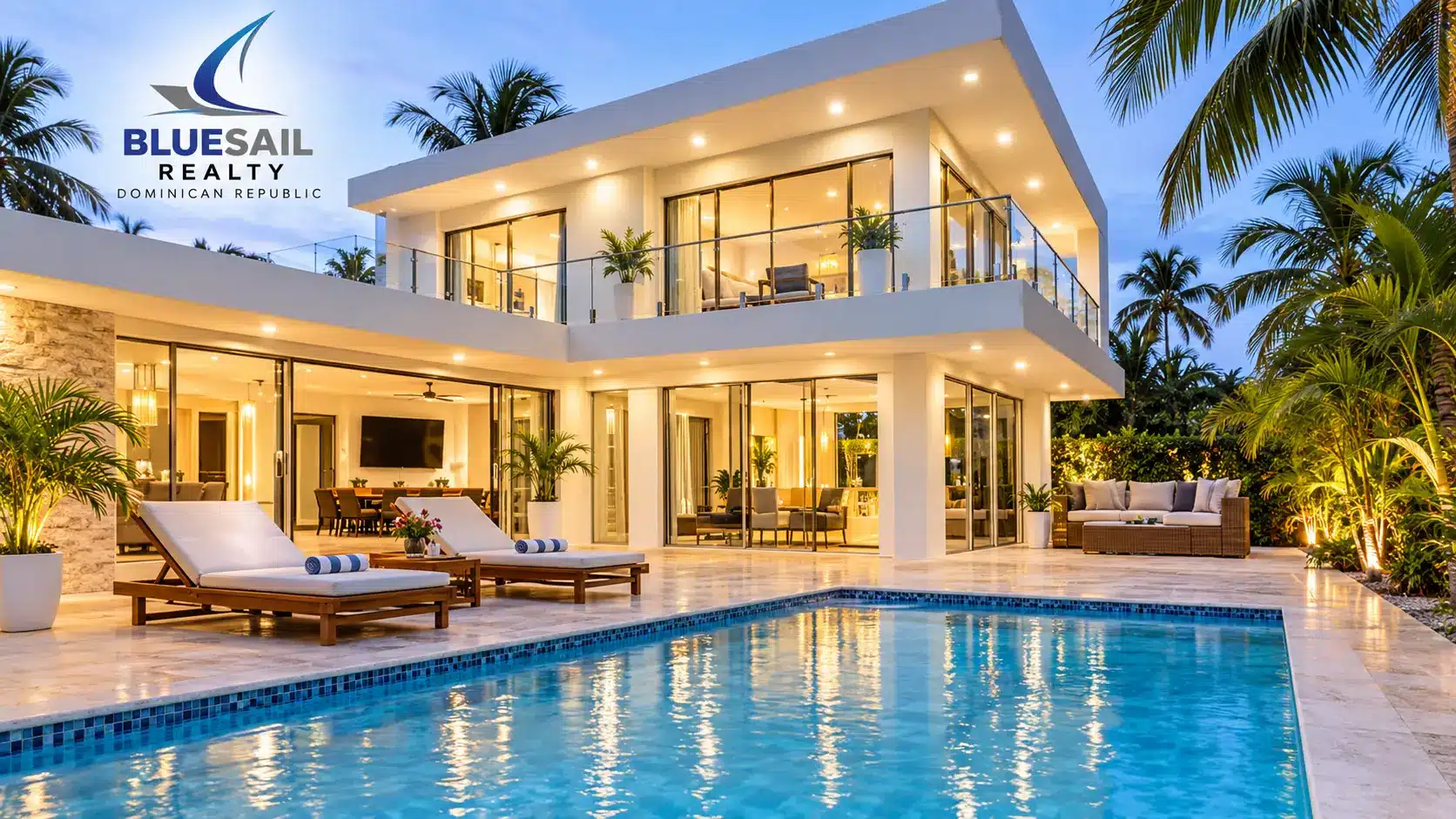
9 Things to Know Before Buying Houses for Sale in the Dominican Republic Puerto Plata Area
Puerto Plata sits on the north coast of the Dominican Republic. It has beaches, green mountains, and a long history. That mix draws many buyers. Some want a quiet family home. Others want a second home near the sea.
If you are looking at houses for sale in the Dominican Republic Puerto Plata area, a little prep goes a long way. This list covers the key points. It is written for first-time buyers and for people who have bought abroad before.
-
Learn the Main Areas First
Puerto Plata is not one single market. Each area has its own feel.
The city center has a historic core with Victorian-style buildings. Playa Dorada is a resort zone with gated communities and golf. Cost Ambar is a residential beach community just west of the city. Cofresí lies further along the coast, with a calmer pace.
Visit more than one area before you decide. Walk the streets. Eat at local spots. Notice the noise, the traffic, and the distance to shops. A home can look perfect online and feel wrong in person.
-
Choose Between a House and a Condo
Houses give you land, privacy, and room for a garden or a pool. You also handle more of the upkeep yourself.
Condos often share security, grounds, and common areas. That suits owners who travel often. Neither choice is better by default. It depends on how you plan to live.
Ask yourself a few simple questions. Will you stay all year or part of the year? Do you want a yard? Who will watch the home when you are away? Your answers point to the right type.
-
Consider Beachfront and Near-Beach Homes
Many buyers want to be close to the water. Puerto Plata has stretches where homes sit right on the sand. Others sit a short walk from the shore.
Our guide to beachfront properties for sale explains what to check before you commit. That includes beach access, setback rules, and sea conditions. Salt air can wear on a home faster, so ask about materials and upkeep.
Homes a few streets back can be a good fit too. They often feel calmer and give you more room.
-
Understand the Buying Process
The steps are clear once you see them. A typical purchase moves from offer to reservation. Next comes a promise-of-sale contract. The last step is to transfer the title.
Foreign buyers can generally own property in their own name. You do not need to live in the country to buy. Our page on how to buy home in dominican republic walks through each stage in plain language.
Take your time with each step. Read every document. Ask questions when something is unclear.
-
Hire an Independent Attorney
Use your own lawyer. Do not rely on the seller’s lawyer or on the agent alone.
A local attorney checks that the seller has the right to sell. They confirm there are no debts or liens on the property. They also review the contract before you sign.
Pick someone who works with foreign buyers and speaks your language. Good communication helps you avoid mistakes. It also keeps you informed from start to finish.
-
Verify the Title and the Survey
The title shows who owns the property. The survey shows the exact size and boundaries of the land. Both matter.
Your attorney should confirm that the title is clean. They should also check that the survey matches what the seller shows you. Small differences can cause large problems later.
If a home is part of a development, ask about the project’s approvals. Ask who manages the common areas. Get answers in writing.
-
Check Utilities and Services
Basic services can vary from one street to the next. Do not assume anything.
Ask about water supply and water pressure. Ask about electricity and whether the home has a backup power source. Many owners add a generator or an inverter system for peace of mind. Check internet options if you plan to work from home.
Also ask about trash pickup, road access, and security. These details shape daily life more than most buyers expect.
-
Plan for Climate and Construction
Puerto Plata has a warm, humid climate. Hurricane season runs through the second half of the year. A well-built home handles both.
Look at the roof, the windows, and the drainage. Check for signs of moisture inside the walls. Ask what materials were used. Concrete block construction is common in the country.
A home inspection is a smart step. An inspector can spot issues you might miss on a quick visit. You can then decide with full information.
-
Think About Access and Daily Life
Look at how easy it is to get around. Gregorio Luperón International Airport serves the Puerto Plata area. That helps owners who travel often. The city also has a cruise port and a busy waterfront.
Think about what you need nearby. That may include grocery stores, clinics, restaurants, and schools. The Isabel de Torres mountain, with its cable car, offers a nice day out. Nearby towns like Sosúa and Cabarete add more choices for dining and beaches.
Drive the route from the home to the places you will visit most. Try it at different times of day. This simple test shows how the location works in real life.
Final Thoughts
Buying a home abroad should feel exciting, not stressful. Puerto Plata offers a wide range of choices, from city homes to beach communities. A clear plan helps you pick the right one.
Start with the area. Then pick the home type. Follow the steps, use your own attorney, and check the title and the survey. Look at utilities, climate, and access before you sign anything.
The Blue Sail Realty team is based on the north coast and works with buyers every day. If you want help finding houses for sale in the Dominican Republic Puerto Plata area, reach out. We can answer your questions and set up viewings that fit your schedule.
Featured Properties