- Home
- Investor Briefs
- Punta Cana Real Estate 2026: The Complete Buyer’s Guide
Your search results
Punta Cana Real Estate 2026: The Complete Buyer’s Guide
Updated 10 October 2026
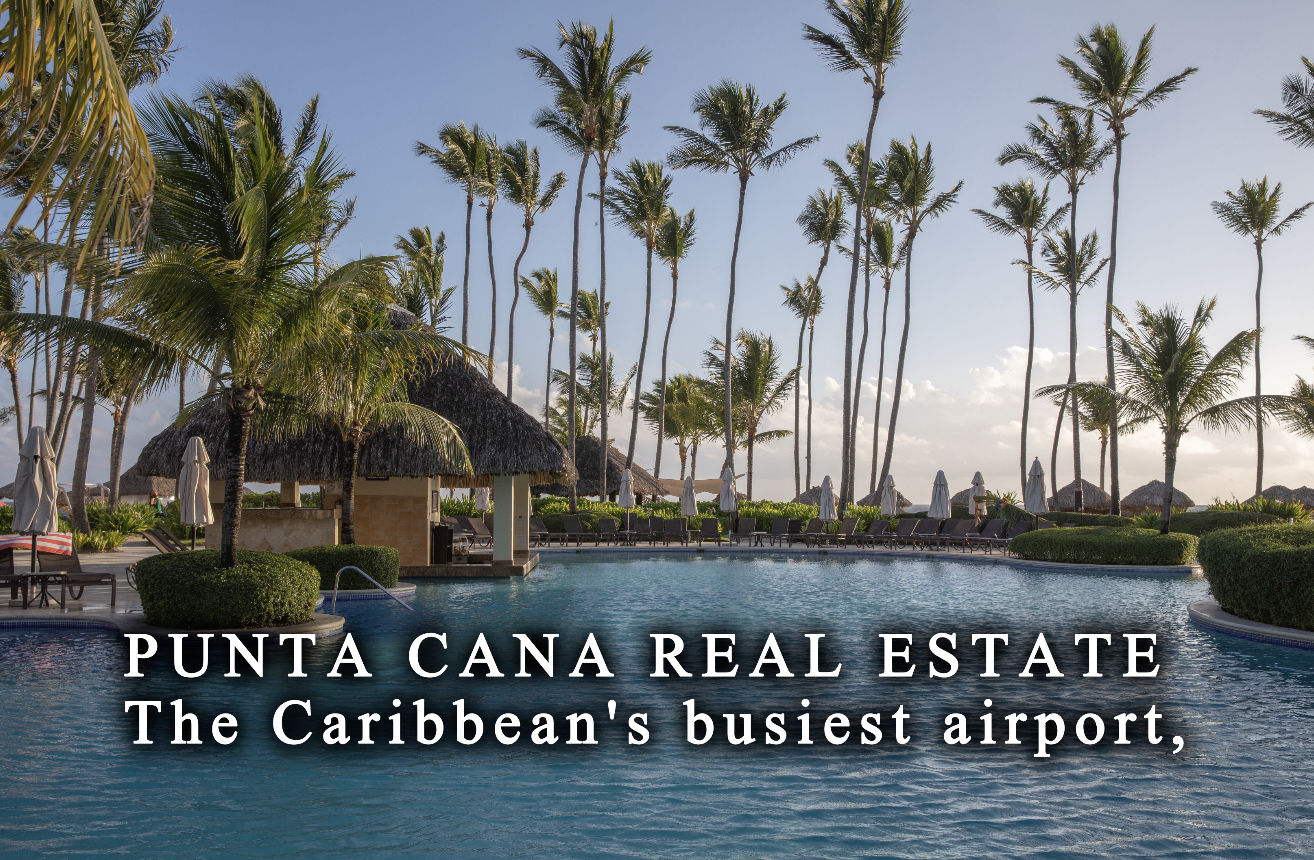
Punta Cana is the Dominican Republic's most visited destination and its most active property market. Here's the real picture: how the area divides into distinct markets, what each offers, how CONFOTUR shapes costs, how the market lets, and how a foreign buyer purchases.
Quick Answers
Why is Punta Cana the country's biggest property market?
Because it is the country's tourism engine: about 65% of all international arrivals to the Dominican Republic land at Punta Cana International, the busiest airport in the Caribbean.
Visitor volume on that scale creates constant demand for holiday accommodation, and that demand is what draws foreign buyers who want to own and let. Direct flights to North America, Europe and Latin America run year-round, so owners can reach their property easily from almost anywhere.
The coast itself adds to the pull: about 31 miles of white-sand beaches, calm Caribbean-facing water, and a dense mix of resort, residential and golf developments built over four decades of tourism growth.
How many properties are for sale?
About 1,089 across the three core areas on DRListings.com, the largest English-language Dominican portal: Bávaro 452, Punta Cana 418 and Cap Cana 219.
The wider East Coast region carries 1,304 listings, against 955 on the North Coast, which makes it the largest regional market in the country by inventory. Smaller areas such as Pueblo Bávaro–Verón add further listings.
For a buyer, that depth means wide choice — particularly in condominiums and new construction — and the ability to compare many similar units before deciding. It also means competition among rental units, which is why location and building quality matter so much here.
What are the main areas?
Four, each behaving as its own market: Bávaro, the busy and walkable heart; Punta Cana proper, around the resort and village communities; Cap Cana, the gated luxury development to the south; and the quieter coast north toward Macao and Uvero Alto.
Bávaro offers the widest choice and the most walkable living, with beach, restaurants and shops close together. Puntacana Resort & Club and its village add golf and established community life beside the airport. Cap Cana sits at the top of the market with Juanillo beach, a marina and the Punta Espada course.
North of Bávaro, Macao and Uvero Alto offer space, surf and long empty beaches. Each area has its own guide, so a buyer can compare them directly.
What property is available?
Mostly condominiums — studios to three-bedroom units in complexes with pools — plus townhouses, villas in gated communities, golf-front homes and oceanfront estates.
Advertised prices in 2026 start from around US$139,000 for a one-bedroom condo in the newer inland districts, run to roughly US$230,000–US$300,000 for two-bedroom condos and penthouses, and from the mid-US$400,000s for four-bedroom villas in planned communities. Resort-community and oceanfront estates run into the millions.
A large share of inventory is new or pre-construction, which makes the developer's track record and the payment structure central to many purchases. Advertised prices are a starting point; comparable closings are the reference for an offer.
Does CONFOTUR apply?
Widely. Many Punta Cana projects carry CONFOTUR approval under Law 158-01, which waives the 3% transfer tax at purchase and annual property tax for the remaining exemption period, up to 15 years from project approval.
The exemption runs from the project's approval date, not the purchase date, so a buyer acquires only the years that remain. A phase approved eight years ago carries seven years, not fifteen.
The resolution number and approval date for the specific phase are verified in writing before contract. On a US$300,000 unit, CONFOTUR is worth US$9,000 in waived transfer tax at purchase, plus annual property tax on the value above roughly US$182,000 for each remaining year.
Does Punta Cana let well?
Yes. The visitor numbers support strong holiday demand, peaking in the winter dry season and around holidays.
Supply is also large, so the units that perform best are those with the strongest locations — walking distance to the beach, good buildings, attractive presentation and professional management. A unit in a building full of near-identical rentals competes on all of those points.
Every unit is underwritten on conservative, base and optimistic scenarios before an offer, using comparable rental performance rather than projections. That keeps the purchase grounded in what similar units actually earn.
What does buying cost?
4% of the price — a 3% transfer tax plus a 1% legal fee that Blue Sail Realty covers at closing — or about 1% on a CONFOTUR unit where the transfer tax is waived.
Annual property tax (IPI) applies at 1% only on appraised value above RD$10,695,494 for 2026, about US$182,000, assessed on combined holdings — unless the unit is under CONFOTUR. Insurance runs at around 0.8% of purchase price, and condominium fees vary by building.
Foreign buyers hold full freehold title on exactly the same terms as Dominican nationals, with no residency or permit required.
Is pre-construction safe in Punta Cana?
It can be, when the right structure is in place: a developer with completed projects you can visit, payments held in a fideicomiso or escrow account, CONFOTUR verified for the specific phase, and the specification written into the contract.
Payments go to the project's trust or escrow account named in the contract, never to an individual's account. The contract sets out the delivery date, what happens if it slips, and how deposits are protected.
Your own independent attorney reviews the developer's title, permits and the contract before you sign. The pre-construction guide sets out each check in detail.
How does Punta Cana compare with the North Coast?
Punta Cana is a resort-zone, condo-led market with the busiest airport and calm Caribbean-facing water; the North Coast is a market of beach towns with year-round international communities, more villas, the trade wind, kite and surf, and Puerto Plata's airport.
Both are among the deepest foreign-buyer markets in the country: Sosúa is the most-listed city on DRListings.com with 623 listings and Bávaro the second with 452.
Buyers who want resort convenience and the widest flight choice lean to Punta Cana; buyers who want town life and a community lean to the North Coast. Blue Sail Realty covers both, so the comparison can be made with one firm.
Does Blue Sail Realty cover Punta Cana?
Yes. Blue Sail Realty specialises in the North Coast and covers the whole of the Dominican Republic and the Caribbean, Punta Cana included.
Every purchase runs on the same standard wherever it is: a pre-screened property, the buyer's own independent attorney, title and CONFOTUR verified in writing, funds paid only to the account named in the contract, and legal fees covered by Blue Sail Realty at closing.
James Oosterman, Broker/CEO, holds the CIPS designation, the internationally recognised credential for international real estate that few Dominican agents hold.
The Market in Numbers
Public data: About 65% of international arrivals land at Punta Cana International. DRListings.com lists Bávaro 452, Punta Cana 418 and Cap Cana 219. The East Coast region carries 1,304 listings.
| Area | Listings (DRListings) | Character |
|---|---|---|
| Bávaro | 452 | Busy, walkable, widest choice |
| Punta Cana | 418 | Resort and village communities, newer districts |
| Cap Cana | 219 | Gated luxury, marina, golf |
Property and Price Levels
| Segment | Advertised examples, 2026 |
|---|---|
| 1-bed condo, newer districts | From around US$139,000 |
| 2-bed condo or penthouse | Around US$230,000–US$300,000 |
| 4-bed villa, planned community | From the mid-US$400,000s |
| Resort-community estates | Into the millions |
Advertised prices are a starting point; comparable closings in the specific complex are the reference for an offer.
Choosing Within Punta Cana
| You want… | Look at |
|---|---|
| Walkability and the widest choice | Bávaro |
| Golf and resort amenities | Puntacana Resort & Club, Cocotal |
| Top-end luxury and a marina | Cap Cana |
| Quiet and wild beaches | Uvero Alto and Macao |
| Lowest entry | Newer inland districts |
Methodology
Arrival share and coastline length per DRListings.com's Punta Cana market overview. Listing counts per DRListings.com public city and region pages (October 2026). Advertised price examples per public portal listings (2026). CONFOTUR per Law 158-01; transfer tax and IPI per DGII. Reviewed quarterly.
Questions worth asking about a Punta Cana property:
- "Which part of Punta Cana is it in, and who buys there?"
- "Does this phase carry CONFOTUR, and how many years remain?"
- "Is it pre-construction, and where do my payments go?"
- "What did comparable units close at?"
- "How many competing rental units are in the building?"
Sources and further reading:
DRListings.com public market overview and listing counts (October 2026). Public portal listings (2026). Law No. 158-01; DGII. General information.
More from Blue Sail Realty: Bávaro Guide · Buying Pre-Construction · CONFOTUR Guide · Closing Costs and Property Taxes · How Much a House Costs
About the author: James Oosterman, CIPS (Certified International Property Specialist), is Broker/CEO of Blue Sail Realty, headquartered in Cabarete on the Dominican Republic's North Coast, with nearly 20 years of experience and a 5.0 Google rating. Read real client stories.
Want to see Blue Sail Realty first next time you search? Add us as a preferred source on Google.
Change Currency
USD- USD
- EUR
- CAD
Change Measurement
square meters - m2- square feet - ft2
- square meters - m2
- acres - ac
- square yards - yd2
- hectares - ha
Our Listings
- Affordable Property(46)
- Condos(167)
- Land(10)
- Commercial(11)
- Luxury Property(131)
- Residential(90)
- Villas(147)
Featured Properties
 Luxury 3-Bedroom Oceanview Villa fo... $ 375,000
Seller Financing Available: Furnish... $ 349,000
Oceanside Luxury Villa, Cabarete — ... $ 385,000
Luxury 3-Bedroom Oceanview Villa fo... $ 375,000
Seller Financing Available: Furnish... $ 349,000
Oceanside Luxury Villa, Cabarete — ... $ 385,000-
Mortgage Calculator
-
Login
Register
A password will be e-mailed to you
Reset Password
Social Links: