- Home
- Investor Briefs
- The Best Places to Live in the Dominican Republic: The Complete Guide to Who Each Place Suits, What It Costs, and Where Each One Falls Short (September 2026)
Your search results
The Best Places to Live in the Dominican Republic: The Complete Guide to Who Each Place Suits, What It Costs, and Where Each One Falls Short (September 2026)
Updated 11 September 2026
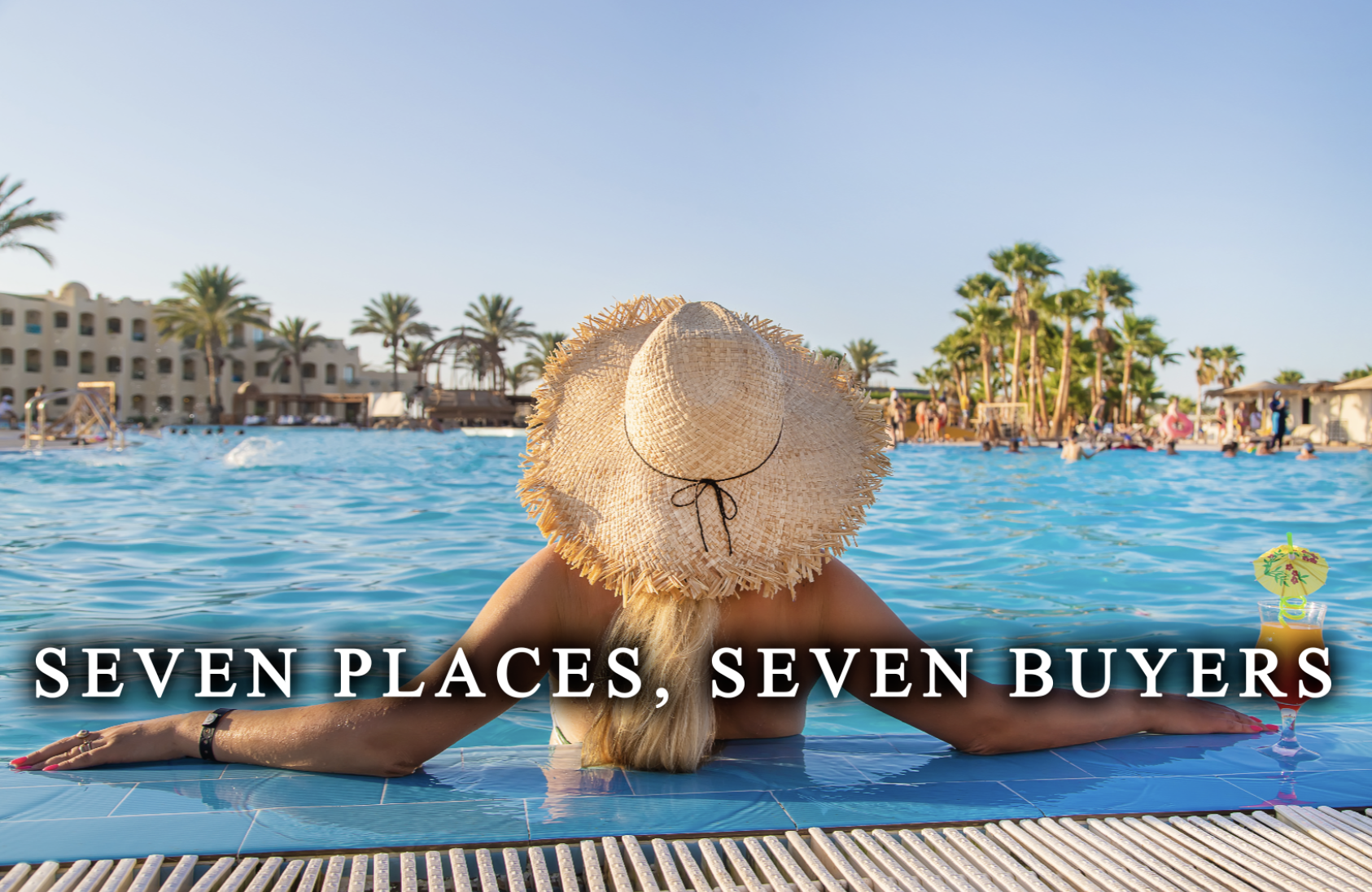
Almost every guide to living in the Dominican Republic ranks places as if one could be objectively best, which is why so many people arrive somewhere that photographs beautifully and does not suit how they actually live. Here's the real picture: seven places, who each genuinely fits, what property costs, and the honest limitation of every one of them.
Quick Answers
What is the best place to live in the Dominican Republic?
There isn't one — the honest answer depends entirely on whether you want an active beach community, a quiet coast, a walkable city, or a cooler mountain climate.
The seven places below each suit a clearly different person, and the fastest way to choose is to identify which trade-off you are willing to accept rather than which place scores highest.
Where do most foreign residents actually live?
The North Coast corridor through Sosua and Cabarete has one of the largest and most established year-round international communities in the country.
That matters practically: services stay open in low season, there is an existing social structure, and the resale market is not confined to a three-month window.
Which place is best for families?
Sosua, for the protected swimming bay, deeper amenities and established international-school infrastructure on the North Coast.
Santo Domingo is the stronger answer for families wanting a full urban education and healthcare choice, at the cost of the beach.
Which place is best for retirees?
Sosua and Cabarete both work well, and Cabrera suits retirees prioritising quiet over convenience.
Law 171-07 gives qualifying foreign retirees and annuitants exemption from the 3% transfer tax on a first purchase plus duty-free import of household goods and a vehicle, which applies wherever you settle.
Which place is best for remote workers?
Cabarete, because the year-round international community, coworking availability and watersports culture align with how remote workers actually structure a day.
It is also the place where you are most likely to find other people doing the same thing, which matters more than most people expect.
Which place has the lowest cost of entry?
Puerto Plata city and Costambar on the North Coast, and the interior around Jarabacoa, all price below the beach towns.
On the North Coast, non-oceanfront property starts at $120,000 in Cabarete, with the city and inland options generally below that.
What most often goes wrong when choosing?
Choosing on scenery rather than on daily logistics.
How far the hospital and airport are, whether you need a car for everything, and what stays open in September are all answerable in advance. A shortlist built around those holds up far better than one built around photographs.
Is the North Coast or Punta Cana better to live in?
For year-round residential living, the North Coast. For high-volume short-stay rental income, Punta Cana has the deeper market.
Punta Cana is a resort economy first and a residential community second, which suits some people very well and others not at all.
Do I need residency to live there?
You can buy property with no residency requirement. Living there long term is a separate question with several routes, including the Law 171-07 pensionado and annuitant path.
Ownership and residency are entirely independent in the Dominican Republic, which is unusual and convenient.
How do I actually decide?
Spend time in two places in low season rather than researching seven in high season.
Every point below is genuine information, but none of it substitutes for how a place feels on a wet Tuesday in December.
Cabarete
**Suits:** families, remote workers, watersports people, and buyers wanting a genuinely international year-round community with strong rental performance.
A beach town of real international reputation, built on kitesurfing and windsurfing. A protected reef plus reliable afternoon trade winds makes the bay one of the most consistent riding locations in the Caribbean, and Playa Encuentro a few minutes west is the region's main surf break. Thirty years of that produced something unusual for the Caribbean: a community that lives here all year rather than three months of it.
Property runs from $120,000 non-oceanfront, with non-oceanfront villas $200,000 to $600,000 and oceanfront condos from $150,000. Twenty-five minutes from Puerto Plata International.
**Where it falls short:** the bay and town centre are lively and walkable, which suits most people and not everyone. If low density is your priority, Perla Marina, the hills above town, or the Cabrera direction are the better matches within reach.
Sosua
**Suits:** buyers prioritising calm swimming water, everyday convenience and an evening scene.
Larger than Cabarete, five minutes west, with a protected horseshoe bay offering the best straightforward swimming water on this stretch of coast. Deeper everyday amenities, and considerably more nightlife than Cabarete.
**Where it falls short:** it lacks Cabarete's beach-town character and watersports culture, and the nightlife is a real factor depending on where in the town you buy. Buyers wanting a family beach rhythm are generally better served in Cabarete.
Cabrera and Rio San Juan
**Suits:** buyers wanting genuine quiet, low density, and dramatic coastline.
East along the coast, this is cliffs and coves rather than long developed beach. Playa Grande near Rio San Juan is widely considered among the most beautiful beaches in the country, and Playa Diamante at Cabrera is a shallow protected bay calm enough for small children.
**Where it falls short:** you are further from the airport, the hospital and larger shopping, and you will need a car for everything. The trade is real — genuine peace in exchange for genuine inconvenience — and it suits fewer people than the photographs suggest.
Puerto Plata City and Costambar
**Suits:** buyers wanting the region at a lower entry price, with city infrastructure on the doorstep.
A working provincial city with the coast's international airport, hospital-level medical care, historic centre, largest commercial services and the cruise port handling around 90% of Dominican cruise passenger traffic. Residential pricing runs below the beach towns.
**Where it falls short:** it is a city rather than a beach community, and the daily texture is different. Buyers imagining beach living who buy in the city sometimes find they have bought convenience instead.
Las Terrenas and Samana
**Suits:** buyers wanting seclusion, scenery and a strong European community.
On the Samana Peninsula, with a distinct international character and some of the country's most striking landscape. Genuinely different in feel from the North Coast.
**Where it falls short:** logistics. Construction and imported goods cost more, the drive to a major airport is longer, and the practical friction of a more remote location is a daily rather than occasional factor. This is outside our operating area and we would rather say so than sell you a location we do not work in.
Punta Cana and the East
**Suits:** buyers whose primary goal is short-stay rental income.
The country's highest tourism volume, most established property-management infrastructure, and deepest short-let market. If rental yield from tourism is your single priority, this deserves serious consideration.
**Where it falls short:** it is a resort economy first. Pricing carries resort-adjacent land values and higher community fees, so the same budget generally buys less than on the North Coast, and the year-round residential community is thinner. Also outside our area.
Jarabacoa and the Interior
**Suits:** buyers who want the Dominican Republic without the heat.
Mountain climate, river valleys, meaningfully cooler year-round, and a completely different lifestyle from anywhere coastal. Popular with Dominicans as a second-home destination, which tells you something about its quality.
**Where it falls short:** no beach, a smaller international community, and a shallower resale market for foreign buyers. Also outside our area.
Compared Directly
| Place | Best for | Main trade-off |
|---|---|---|
| Cabarete | Remote workers, watersports, year-round community, rental | Busy and loud in peak season |
| Sosua | Families, retirees, swimming, amenities | Quieter social scene than Cabarete |
| Cabrera / Rio San Juan | Genuine quiet, low density, dramatic coast | Distance from airport, hospital, shopping |
| Puerto Plata / Costambar | Lower entry price, city infrastructure | City living rather than beach living |
| Las Terrenas / Samana | Seclusion, scenery, European community | Logistics and higher build costs |
| Punta Cana | Short-stay rental income | Resort economy, higher pricing and fees |
| Jarabacoa | Cooler climate, mountains | No beach, shallower foreign resale market |
What It Costs to Buy, Wherever You Choose
| Item | Figure |
|---|---|
| Total buying cost | 4% (3% transfer tax + 1% inclusive legal fee) |
| Annual IPI | 1% above ~US$182,000 appraised value; zero below |
| Under CONFOTUR | 1% at purchase, annual IPI waived |
| Retiree exemption | Law 171-07 waives transfer tax on a first purchase for qualifying retirees and annuitants |
| Foreign ownership | Full freehold title; no residency, permit or local partner |
The entry-level point is worth repeating because it applies everywhere: annual property tax only bites above roughly US$182,000, so a substantial share of the market carries no annual holding tax at all.
Questions worth asking before choosing anywhere:
- "Have I visited this place in low season, not just high season?"
- "How far is the nearest hospital, and the nearest international airport?"
- "What is here that stays open in September?"
- "Do I need a car every day, and am I fine with that?"
- "How many owners in this area live here year-round?"
- "If I need to sell in five years, who is the buyer?"
- "Am I eligible under Law 171-07?"
Sources and further reading:
Sold price ranges reflect completed Blue Sail Realty transactions in Cabarete, Puerto Plata province. Puerto Plata's approximately 90% share of Dominican cruise passenger traffic is per Dominican Today reporting. The 3% ITBI transfer tax, the 2026 IPI exemption threshold of RD$10,695,494 (approximately US$182,000), the CONFOTUR framework and Law 171-07 retiree provisions verified against Dominican tax code provisions, DGII published rates and published legal guidance. Blue Sail Realty operates on the North Coast; Las Terrenas, Punta Cana and Jarabacoa are described from general market knowledge and are noted as outside our operating area. General informational purposes only; not legal, tax or relocation advice.
More from Blue Sail Realty: Cabarete Real Estate Guide · Cabarete vs Sosúa · Cost of Living in Cabarete · North Coast Weather · Retiring in the DR · How Much a House Costs · The DR Safe-Buying Code
About the author: James Oosterman, CIPS (Certified International Property Specialist), is Broker/CEO of Blue Sail Realty, headquartered in Cabarete on the Dominican Republic's North Coast, with nearly 20 years of experience and a 5.0 Google rating. Read real client stories.
Want to see Blue Sail Realty first next time you search? Add us as a preferred source on Google.
Change Currency
USD- USD
- EUR
- CAD
Change Measurement
square meters - m2- square feet - ft2
- square meters - m2
- acres - ac
- square yards - yd2
- hectares - ha
Our Listings
- Affordable Property(45)
- Condos(167)
- Land(10)
- Commercial(11)
- Luxury Property(130)
- Residential(89)
- Villas(145)
Featured Properties
 Luxury 3-Bedroom Oceanview Villa fo... $ 375,000
Oceanside Luxury Villa, Cabarete — ... $ 350,000
Furnished at $285,000, Golf Cart In... $ 285,000
Luxury 3-Bedroom Oceanview Villa fo... $ 375,000
Oceanside Luxury Villa, Cabarete — ... $ 350,000
Furnished at $285,000, Golf Cart In... $ 285,000-
Mortgage Calculator
-
Login
Register
A password will be e-mailed to you
Reset Password
Social Links: