
Deciding to buy a house in Dominican Republic is one of the most exciting decisions many people make in their lifetime. The North Coast — especially Sosua, Cabarete, and the corridor between them — continues to attract buyers from Canada, the United States, Europe, and beyond because it combines Caribbean beach life, a warm expat community, reliable infrastructure, and prices that remain realistic in 2026.
In this detailed guide, we walk you through everything a serious buyer needs to know right now: current market realities, realistic price ranges for different house types, the exact steps of the purchase process, financing and residency options, hidden costs, rental income potential, and the most important questions to ask before signing anything. Whether you’re planning to retire here, work remotely, raise a family, or build a vacation-rental portfolio, you’ll find clear, up-to-date facts to help you move forward confidently.
Why the North Coast Is Still the Smartest Place to Buy a House in Dominican Republic in 2026
The Dominican Republic welcomed more than 10 million international visitors in 2025, and the North Coast captured a steadily growing share of that traffic. Gregorio Luperón International Airport (POP) in Puerto Plata now offers direct flights from more than 20 cities in the United States and Canada, plus increasing European routes. Travel time from the airport to most homes in Sosua or Cabarete is 15–30 minutes — a huge advantage over longer transfers in Punta Cana or other southern areas.
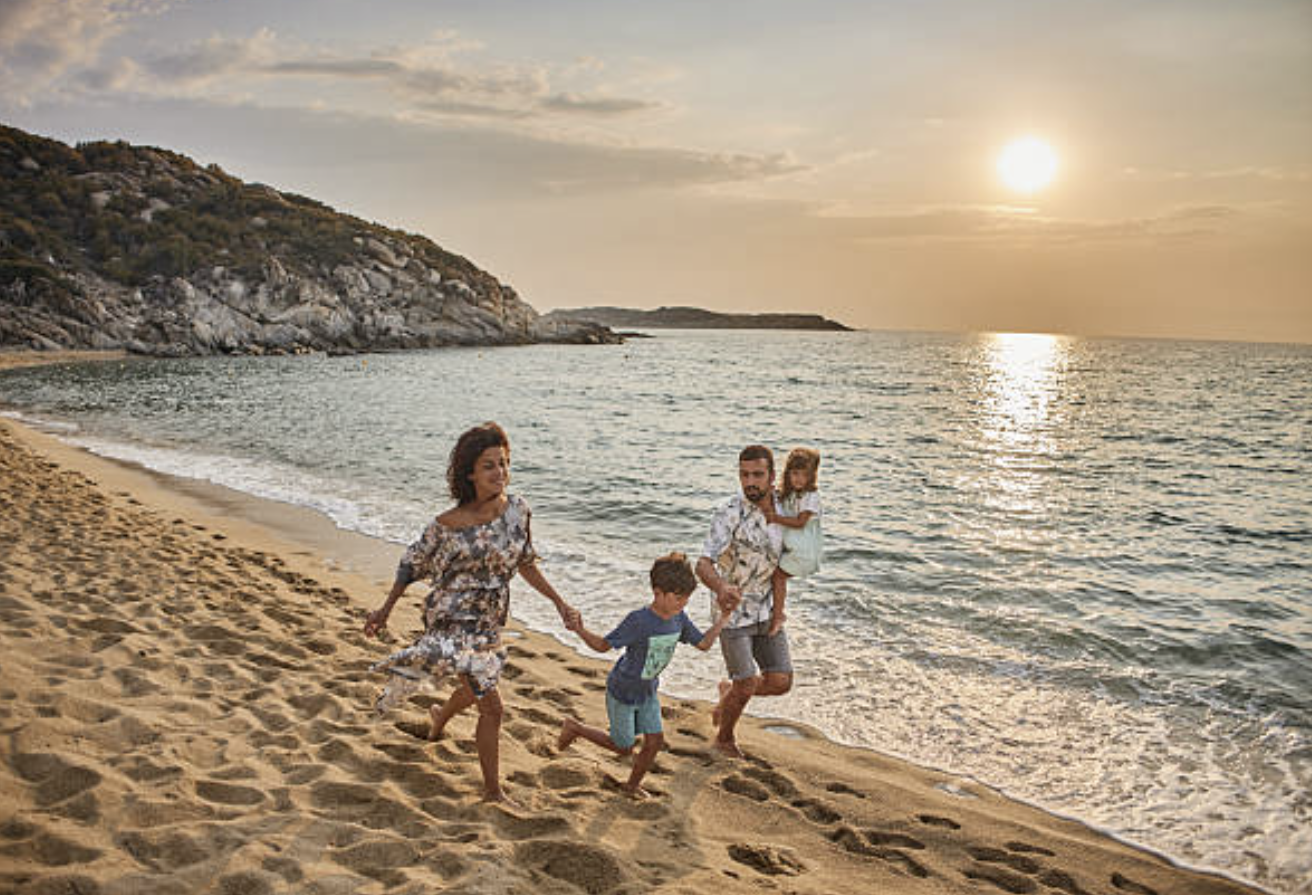
Average temperatures hover around 28 °C (82 °F) year-round with refreshing trade winds, especially in Cabarete, which enjoys more than 300 windy days annually — making it one of the world’s premier kiteboarding and wing-foiling locations. Sosua, just 10 minutes west, delivers calmer bays perfect for swimming, snorkeling, and family beach days.
Cost of living remains attractive. A comfortable couple can live well on $2,000–$3,500 per month (including housing costs, groceries, dining out several times a week, utilities, and local transportation). Groceries blend local fresh produce (mangoes, avocados, plantains often under $1–2/kg) with imported items available at supermarkets like Playero and Janet’s. Private health insurance runs $100–$250 per person per month, and doctor visits typically cost $30–$80.
These lifestyle advantages, combined with solid financial returns, explain why the North Coast remains the preferred region for most people who buy a house in Dominican Republic.
Realistic 2026 Prices: What Houses Actually Sell For
Prices vary widely depending on location, age, condition, and amenities. Below are real-world ranges based on recent sales and active listings in early 2026:
- Entry-level 2–3 bedroom villa in a gated community (e.g., Casa Linda style, private pool, basic finishes): $220,000–$380,000 USD
- Mid-range 3–4 bedroom family home (gated or semi-gated, good views, modern kitchen, 200–300 m² built): $300,000–$550,000 USD
- Beach-proximate or elevated ocean-view house (walk or short drive to sand, 3–5 bedrooms, private pool): $400,000–$750,000 USD
- Luxury oceanfront or estate property (direct beach access, high-end finishes, large lot, 4+ bedrooms): $650,000–$1.5M+ USD
- New-construction modern villa (2024–2026 builds, energy-efficient features, developer warranties): $280,000–$620,000 USD
Houses under $300,000 are still available in gated communities slightly inland or in emerging pockets, while true beachfront or premium gated estates start closer to $600,000–$700,000. These ranges reflect actual closed transactions and active market listings — not inflated asking prices.
The Step-by-Step Process to Buy a House in Dominican Republic
- Research & Visit (1–3 months recommended) Start online with reputable agencies that specialize in the North Coast. Schedule a visit of at least 7–14 days to experience Sosua (calmer, more established expat vibe) and Cabarete (livelier, adventure-focused). Walk beaches, eat at local restaurants, talk to residents, and drive the Sosua–Cabarete highway to understand traffic and distances.
- Choose a Licensed Broker & Attorney Work only with brokers registered with the Dominican Association of Real Estate Professionals (ACOPROVI or equivalent). A good broker knows current inventory, recent comps, and HOA rules. Hire a separate real-estate attorney (not the seller’s lawyer) to conduct due diligence. Expect legal fees of 1–1.5% of purchase price.
- Identify & Negotiate Make an offer (usually verbal or simple written letter of intent). Once accepted, sign a Promesa de Compraventa (promise of sale) contract. This typically includes a 10% deposit held in escrow. Negotiation room is common — 5–15% below asking price is realistic on non-hot properties.
- Due Diligence (30–60 days) Your attorney verifies:
- Clear title (no liens, encumbrances, boundary disputes)
- Proper zoning and building permits
- HOA status and outstanding fees (if gated)
- Utility connections and any easements A clean title search usually costs $800–$1,500.
- Final Closing Held at a notary’s office. Buyer pays:
- 3% property transfer tax (on assessed value, often lower than purchase price)
- Notary fees (~0.5–1%)
- Legal fees (1–1.5%)
- Total buyer-side closing costs: typically 4–7% of purchase price Seller usually covers capital gains tax (27% on profit, with exemptions possible).
- Register the Deed The notary registers the new title at the local Property Registry Office (usually 15–30 days). Once registered, you receive the official title certificate.
Total timeline from offer acceptance to registered title: 45–90 days in most cases.
Financing Options When You Buy a House in Dominican Republic
- Cash: Simplest and fastest. Many buyers close in 30–45 days.
- Developer Financing: Common on new builds — 20–30% down, balance over 2–5 years at 0–5% interest.
- Local Bank Mortgages: Foreigners qualify with good credit/income proof. Typical terms: 50–70% loan-to-value, 8–11% interest (USD loans), 10–20 year terms. Banks require residency or strong ties to approve higher LTV.
- Home-Country Equity Loan/HELOC: Many North American buyers use this route for lower rates.
Residency After You Buy a House in Dominican Republic
Two popular paths in 2026:
- Investor Permanent Residency
- Minimum real-estate investment: US$200,000 (property value at purchase).
- Obtain CEI-RD foreign investment certificate.
- Apply for residency — process usually 4–8 months.
- Leads to permanent residency card (valid 1 year initially, then renewable).
- Pensionado / Rentista Residency
- Prove $1,500/month pension income (Pensionado) or $2,000/month passive income (Rentista).
- No property purchase required, but owning strengthens the application.
- Same permanent residency path.
Both options allow multiple entries/exits and open the door to citizenship after meeting residency time requirements.
Rental Income Reality Check
Many buyers buy a house in Dominican Republic with rental income in mind. Realistic expectations in 2026:
- High-season nightly rate (Dec–Apr): $180–$450 for 3–4 bedroom villas in gated communities.
- Low-season rate (May–Nov): $120–$300.
- Annual gross revenue example: $30,000–$65,000 for a $400,000–$600,000 house at 70–85% occupancy.
- Net yield after expenses/management (20–30% commission, utilities, maintenance, taxes): 5–9% typical.
- Professional management companies handle bookings, cleaning, maintenance, and guest communication — essential for absentee owners.
Common Mistakes to Avoid When You Buy a House in Dominican Republic
- Skipping independent legal due diligence — always use your own attorney.
- Buying sight-unseen — visit and stay in the area first.
- Underestimating HOA fees — read rules carefully (pools, landscaping, rental restrictions).
- Ignoring flood/erosion zones — North Coast has micro-climates; check elevation and drainage.
- Assuming US/Canadian building standards — codes differ; inspect thoroughly.
- Forgetting currency risk — most transactions in USD, but local costs in DOP.
Final Thoughts: Is 2026 the Right Time to Buy a House in Dominican Republic?
Yes — for the right buyer. Tourism infrastructure continues to improve, direct flights are expanding, and pricing remains competitive compared to other Caribbean markets. The North Coast offers a rare combination of lifestyle quality and financial upside.
If you’re serious about buying a house in Dominican Republic, start with a visit to Sosua and Cabarete. Walk the beaches, talk to residents, and see the communities firsthand.
At Blue Sail Realty we guide clients through every step — from property matching and due diligence to closing and rental setup — from our Cabarete office.
Contact us today at info@bluesailrealty.com or +1-849-283-4906 to begin your journey.